← Index fig. 2
UnityBeat
haptic wristbands that relay a conductor's cues to visually impaired and deaf musicians
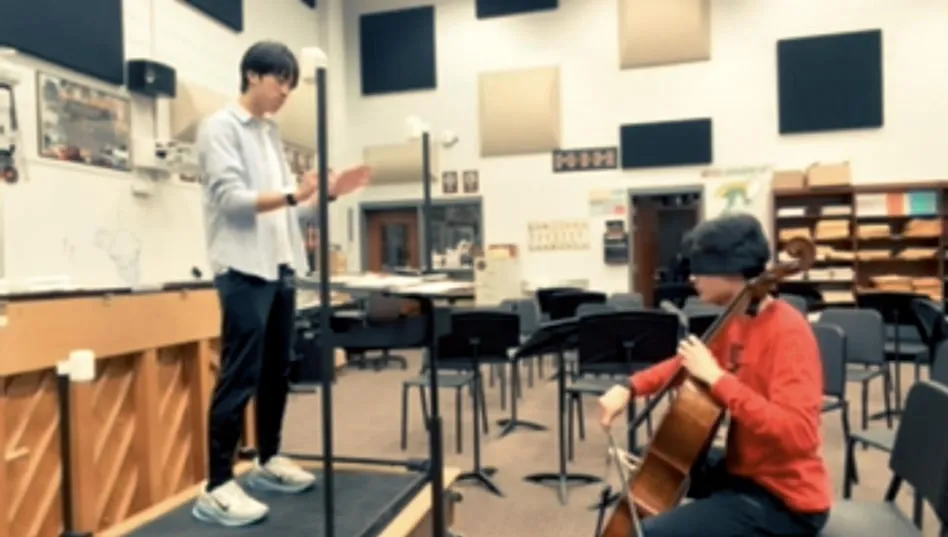
An orchestra runs on things you see. The conductor’s baton sets the tempo, a glance tells you when to come in. If you’re blind or deaf, most of that is gone, and you end up following by ear (or not at all). UnityBeat moves those cues to your wrist.
TLDR: a wristband that taps out the beat, driven by where the conductor’s hand is. Four ultra-wideband (UWB) anchors around the podium track the conductor, an ESP32 turns that into beats, and the wristband vibrates them. A phone app sets up rooms, patterns and vibration strength. I was CTO on a team of five and worked across the app, the hardware and the firmware. We were one of 10 national finalists in Samsung’s Solve for Tomorrow, which came with a $50K prize, and demoed it at Georgia Tech’s CREATE-X.
Choosing how to track the conductor
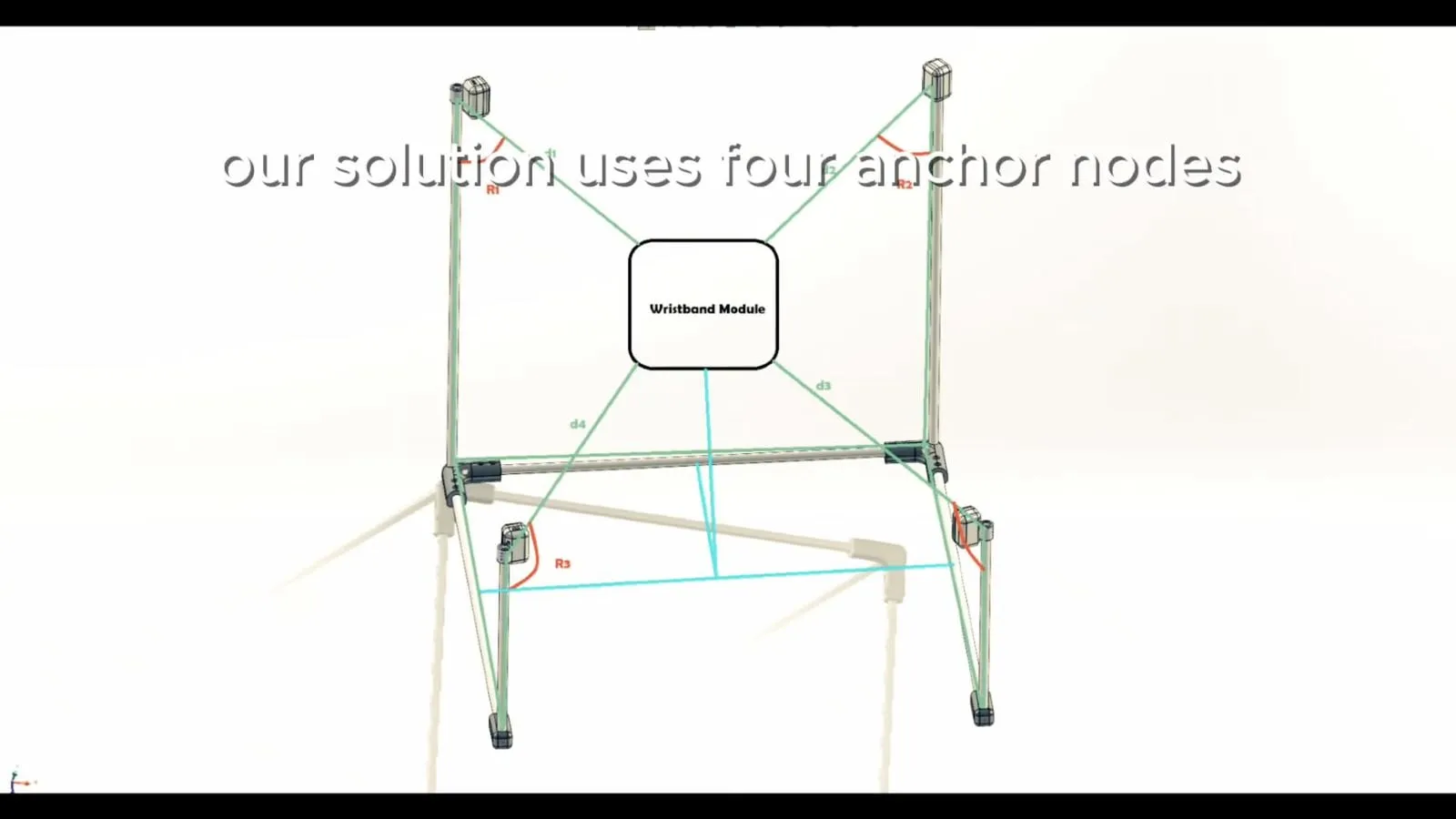
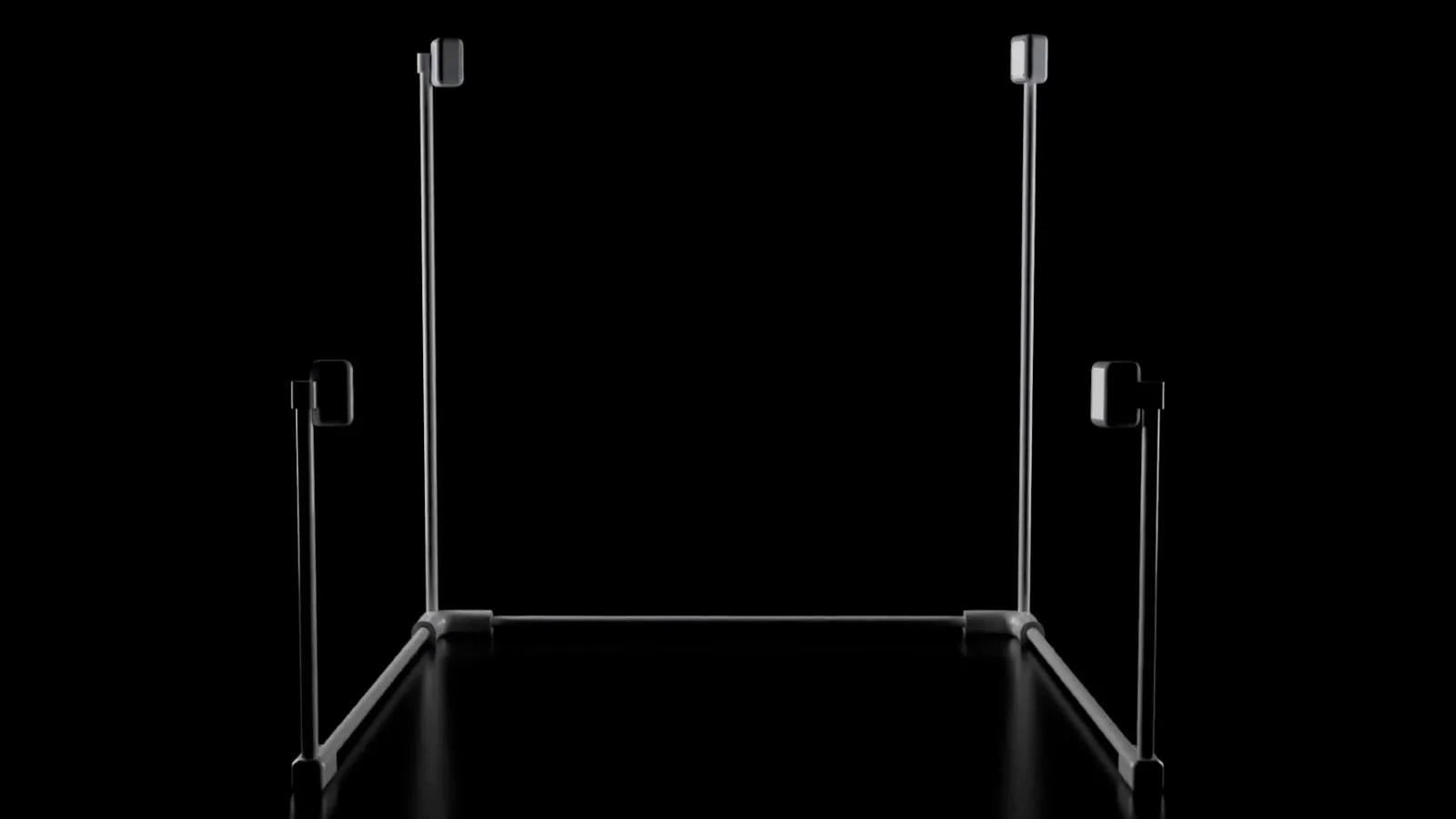
The whole system depends on knowing where the conductor’s hand is, fast. We went with UWB ranging: small radio modules (Reyax RYUW122) that measure distance to each other by timing, accurate to centimetres. One module rides with the conductor, four sit on posts around the podium, and the ESP32 triangulates.
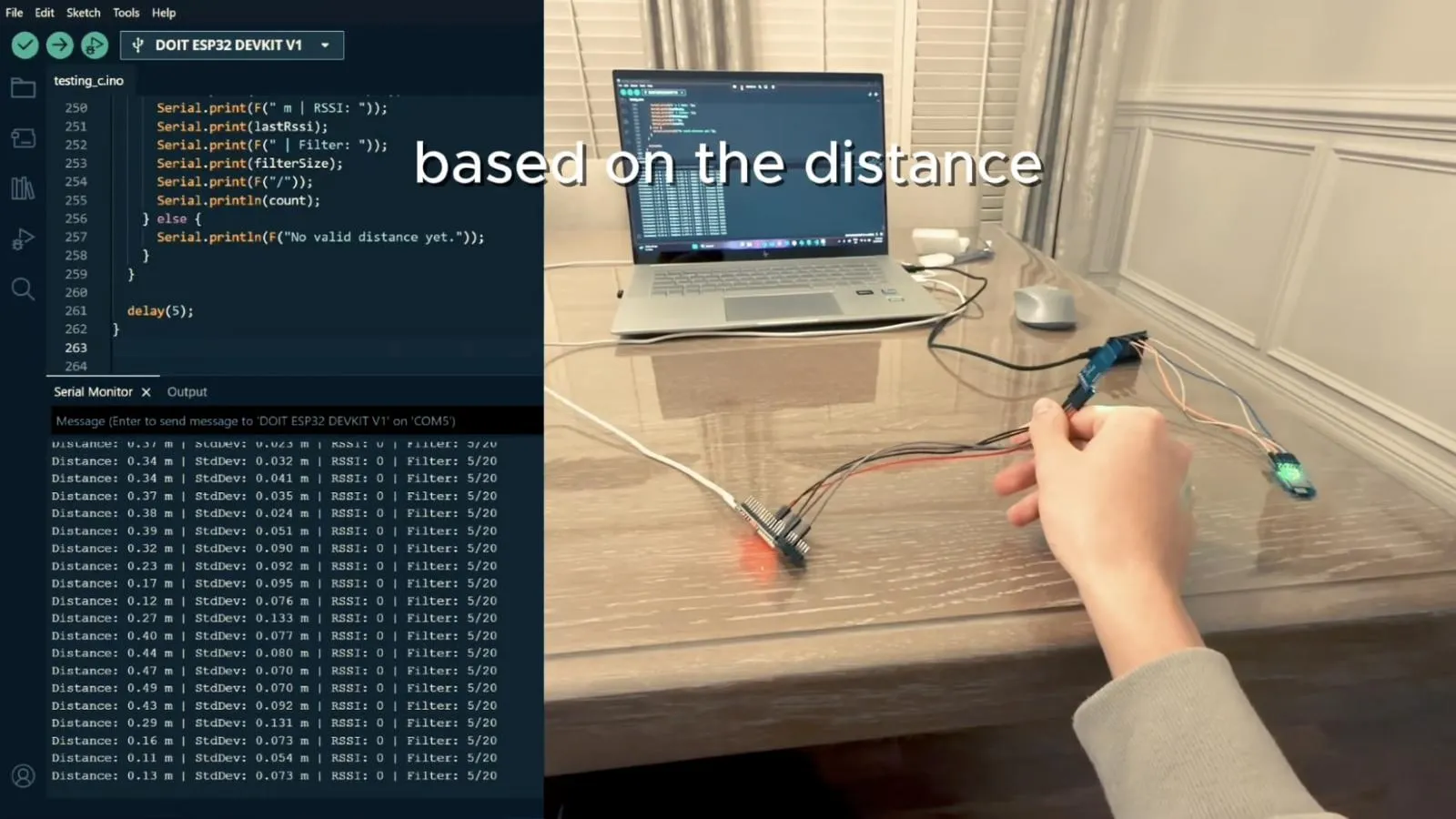
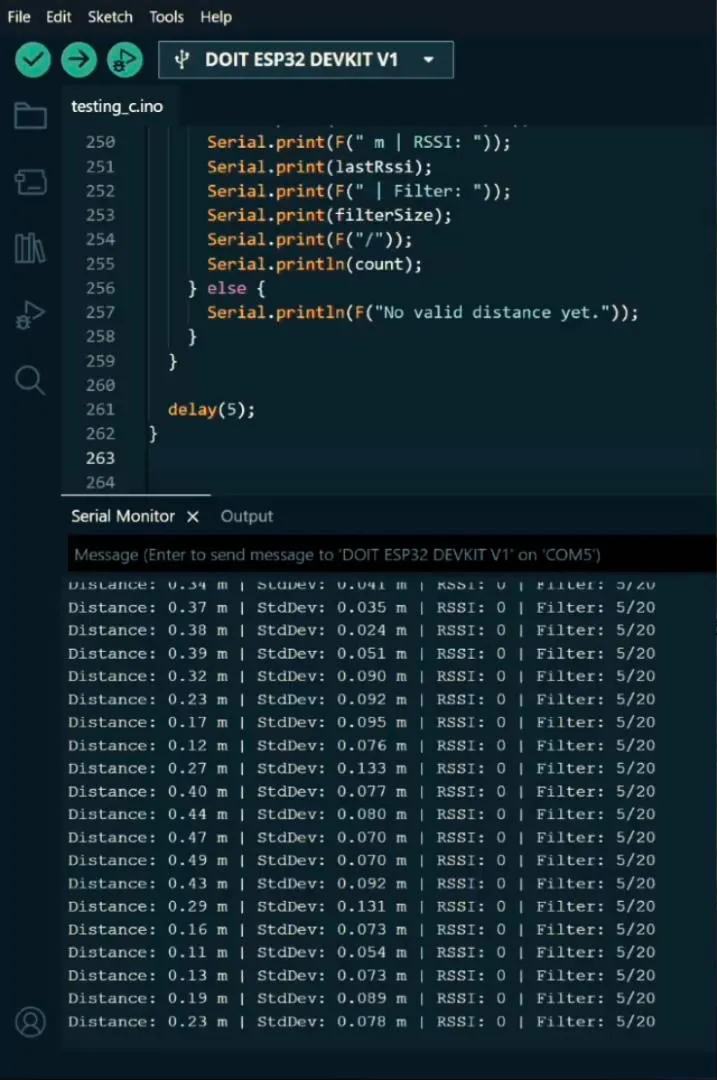
Before building any of that, we made sure the modules could actually range. Here’s the bench test: two modules on a desk, one moved by hand, the serial monitor printing distances.
The anchor frame
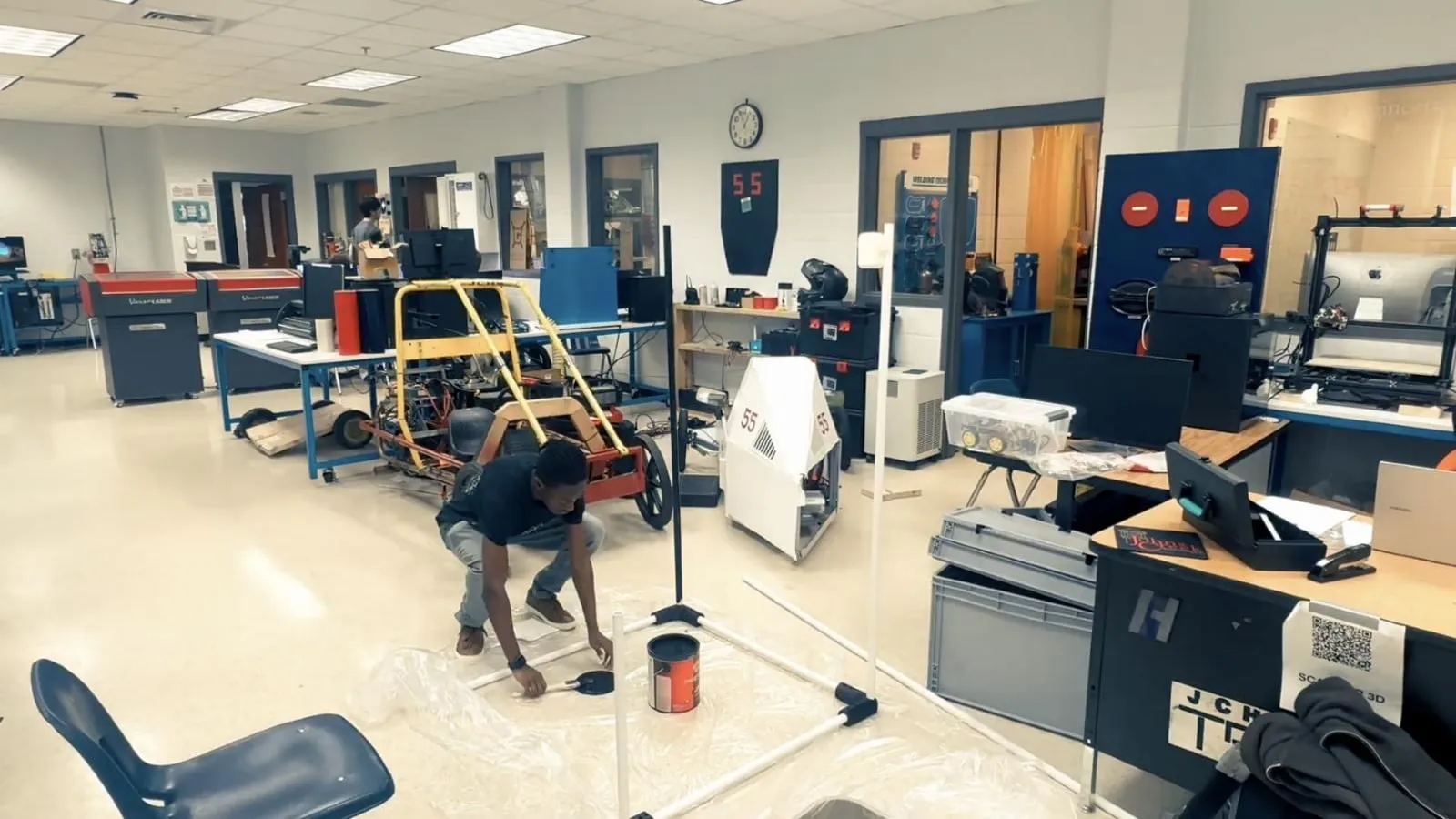
The anchors needed fixed, known positions, so we built a PVC frame that stands around the podium.
The wristband
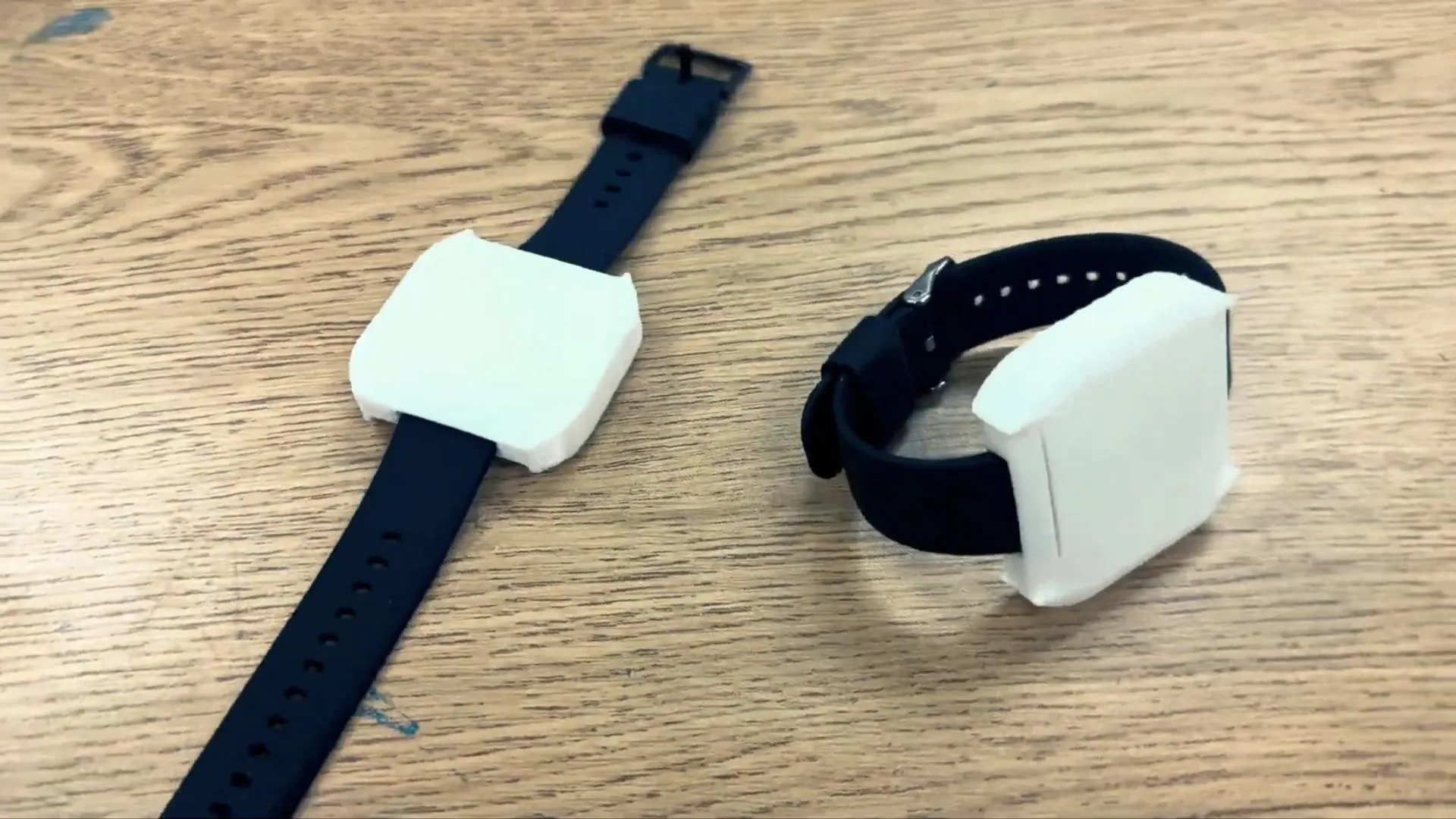
The first wristbands were 3D-printed shells on watch straps.
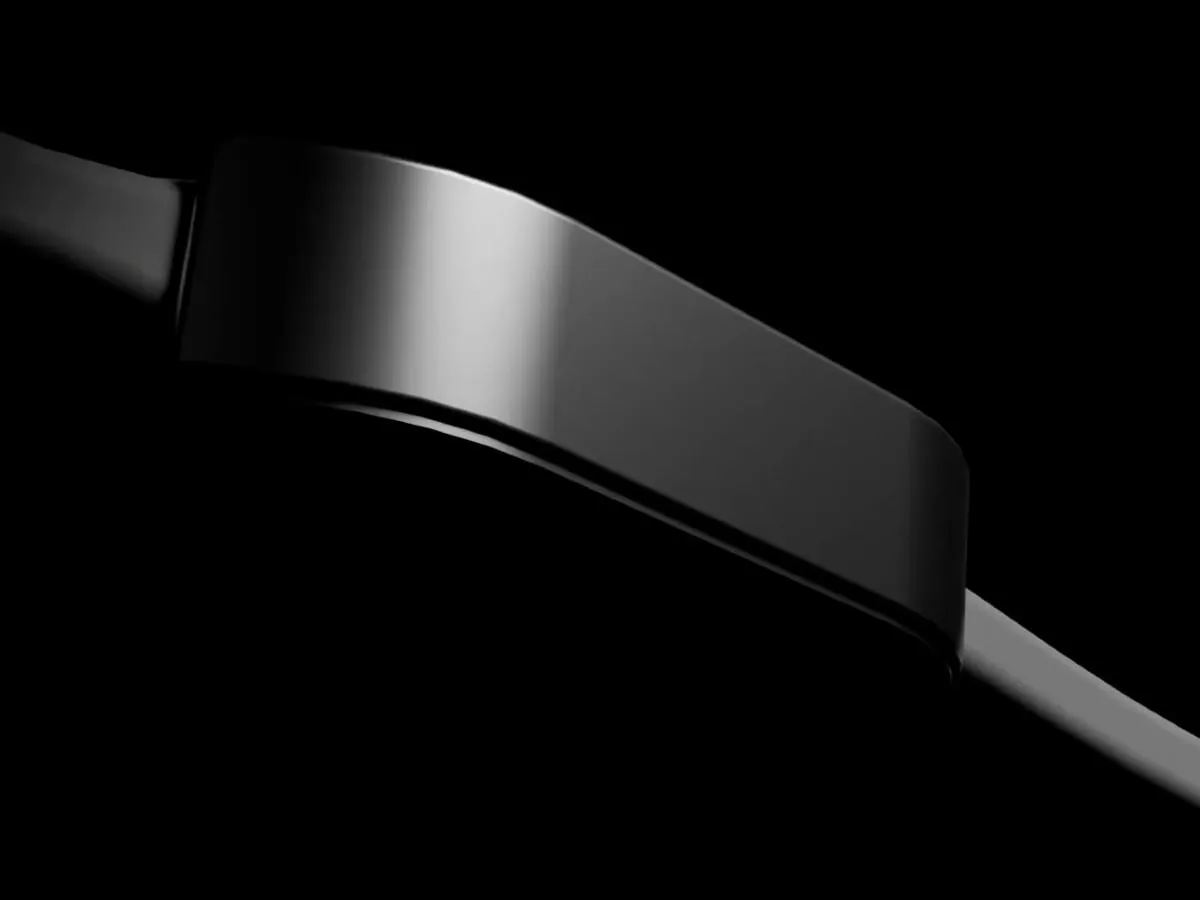
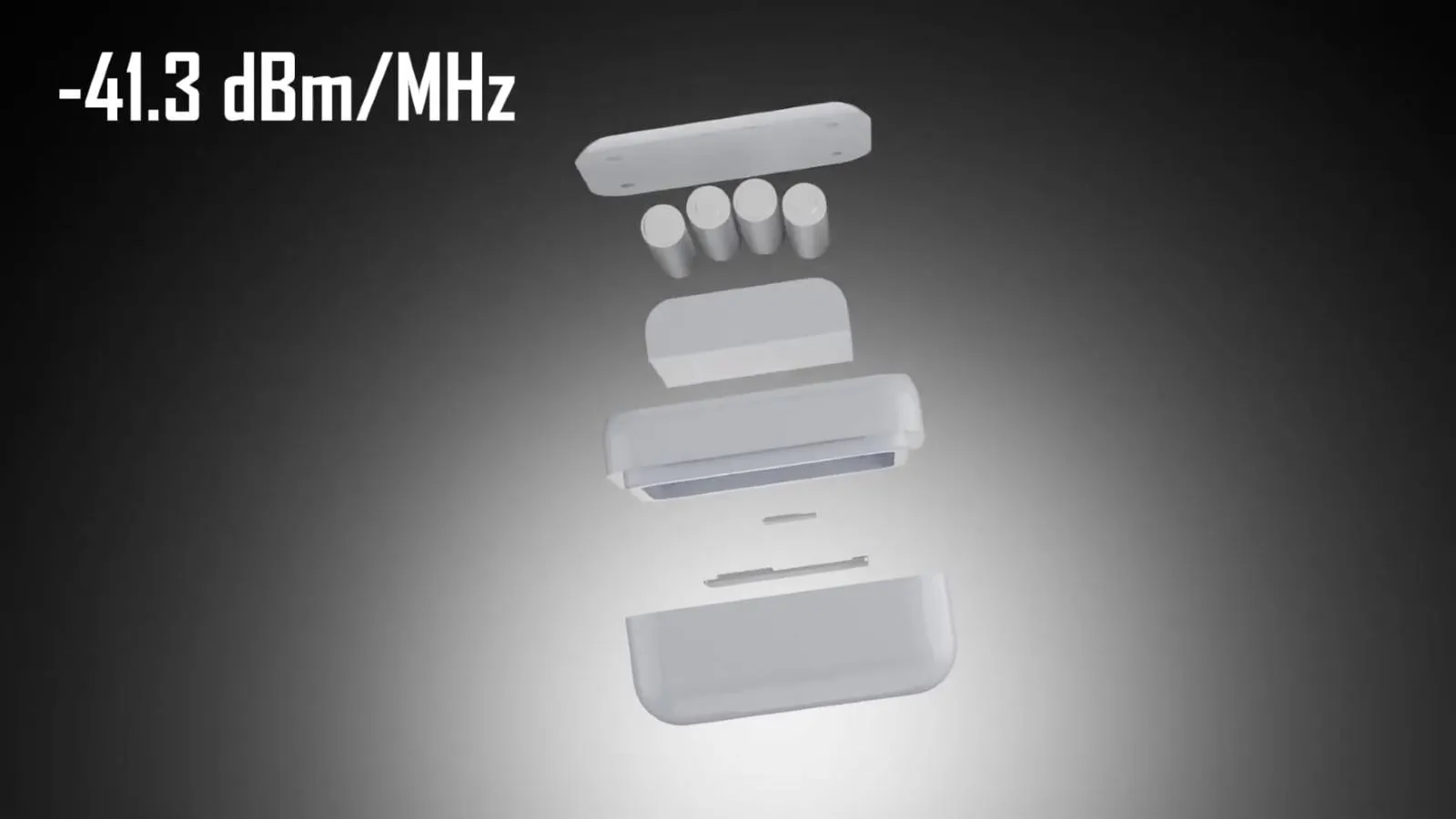
The version we designed next (the render at the top of this page) has a custom PCB with an ESP32-WROOM on it and is rated for up to nine hours of use.
The app
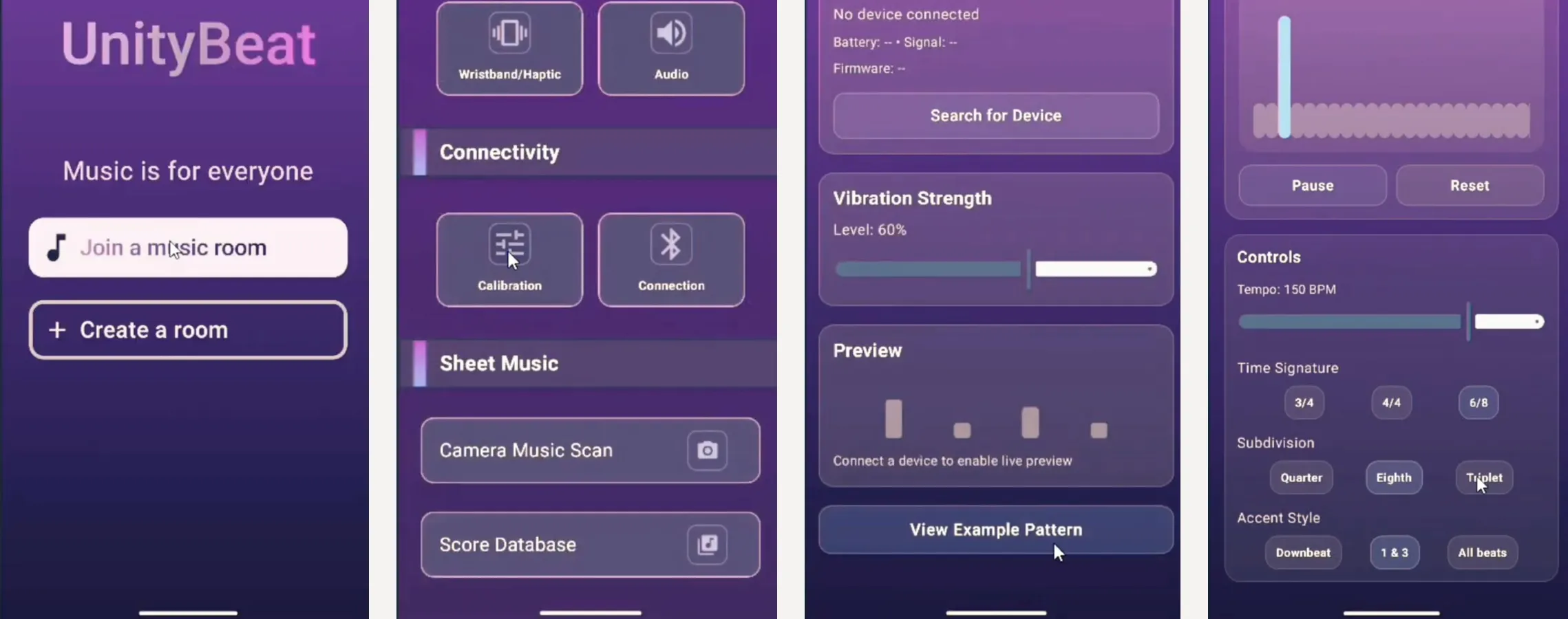
The app is the control panel. You create or join a “room”, connect the wristbands over Bluetooth, set vibration strength, and pick how the beat should feel: tempo, time signature, subdivision, and which beats get an accent. There’s also a camera scan for sheet music and a score library.
Samsung
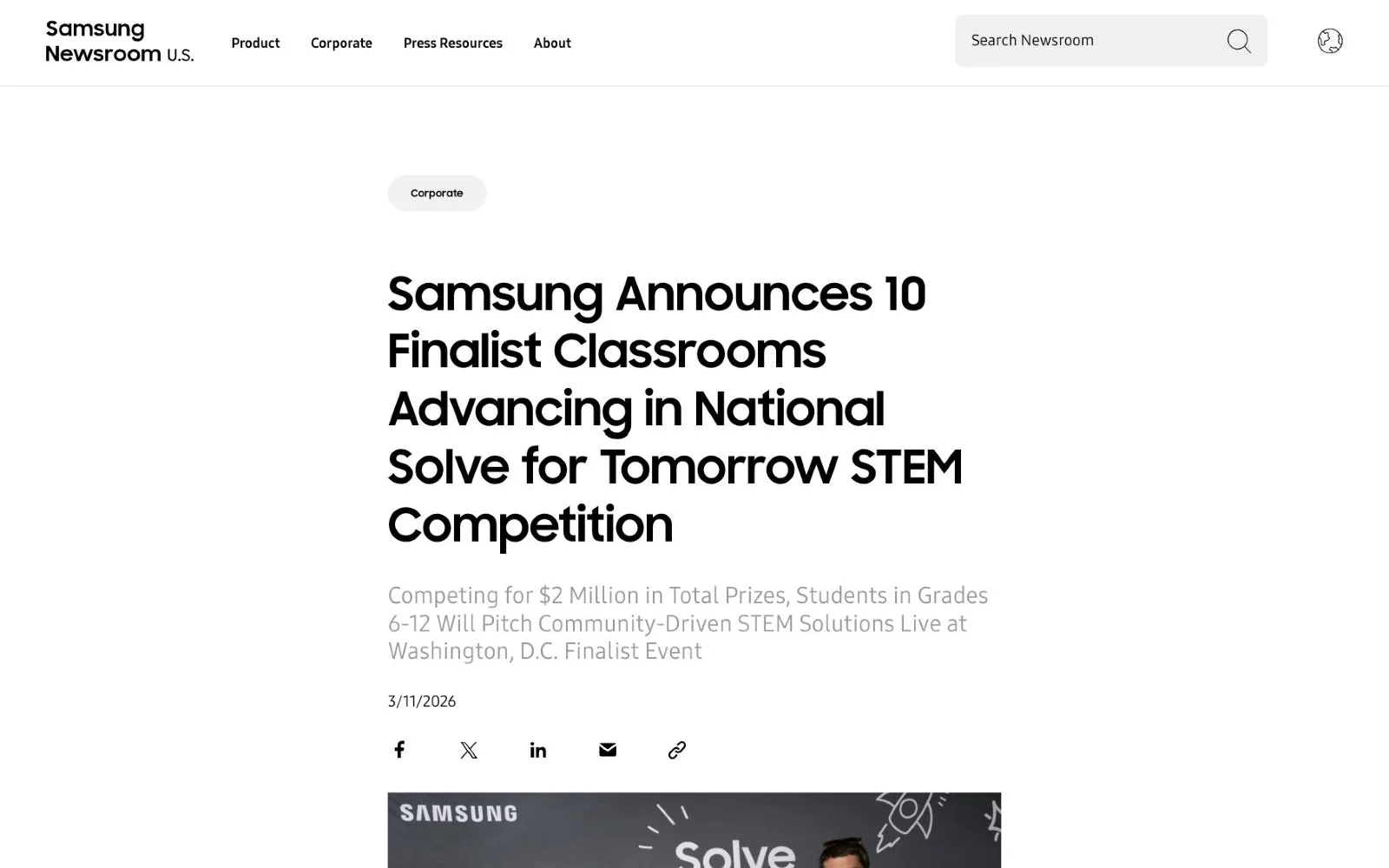
We entered Samsung’s Solve for Tomorrow and made the final ten nationally, which meant a $50K prize package and a pitch at The Washington Post’s headquarters in D.C. in April 2026.
Thanks
To Dr. Steven Sweigart and Mr. Young Kim, to Peter Altschul for sitting down with us to talk about playing without seeing the conductor, and to the AFB.