Wildfire smoke data toolsVoronoi healthcare optimizationBTPHub neighborhood care platformClimate policy and school electrification
FocusApps, research code, and tools for climate, health, and local communities.
Research
Cryptography, public-health data, and healthcare systems work across university research settings.
Quantum-Resistant Encryption Schemes with Rings
Conducted at Stanford University Mathematics Camp
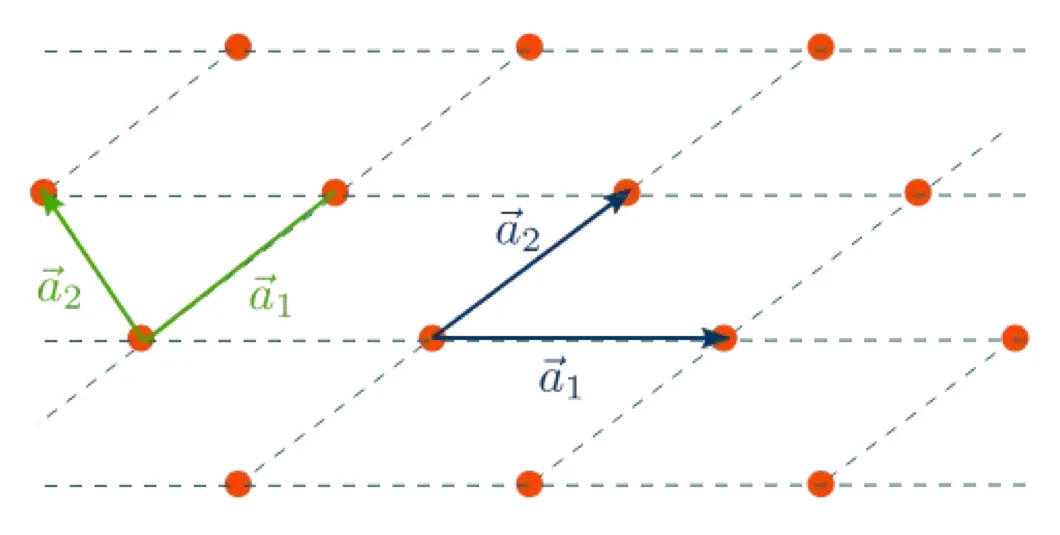
Studied post-quantum cryptography at Stanford SUMaC through Ring Learning with Errors (Ring-LWE) and lattice-based encryption, connecting abstract algebra and number theory to the security assumptions behind quantum-resistant systems.
Optimization of Healthcare Systems with Voronoi Diagrams
Conducted at Georgia Southern University
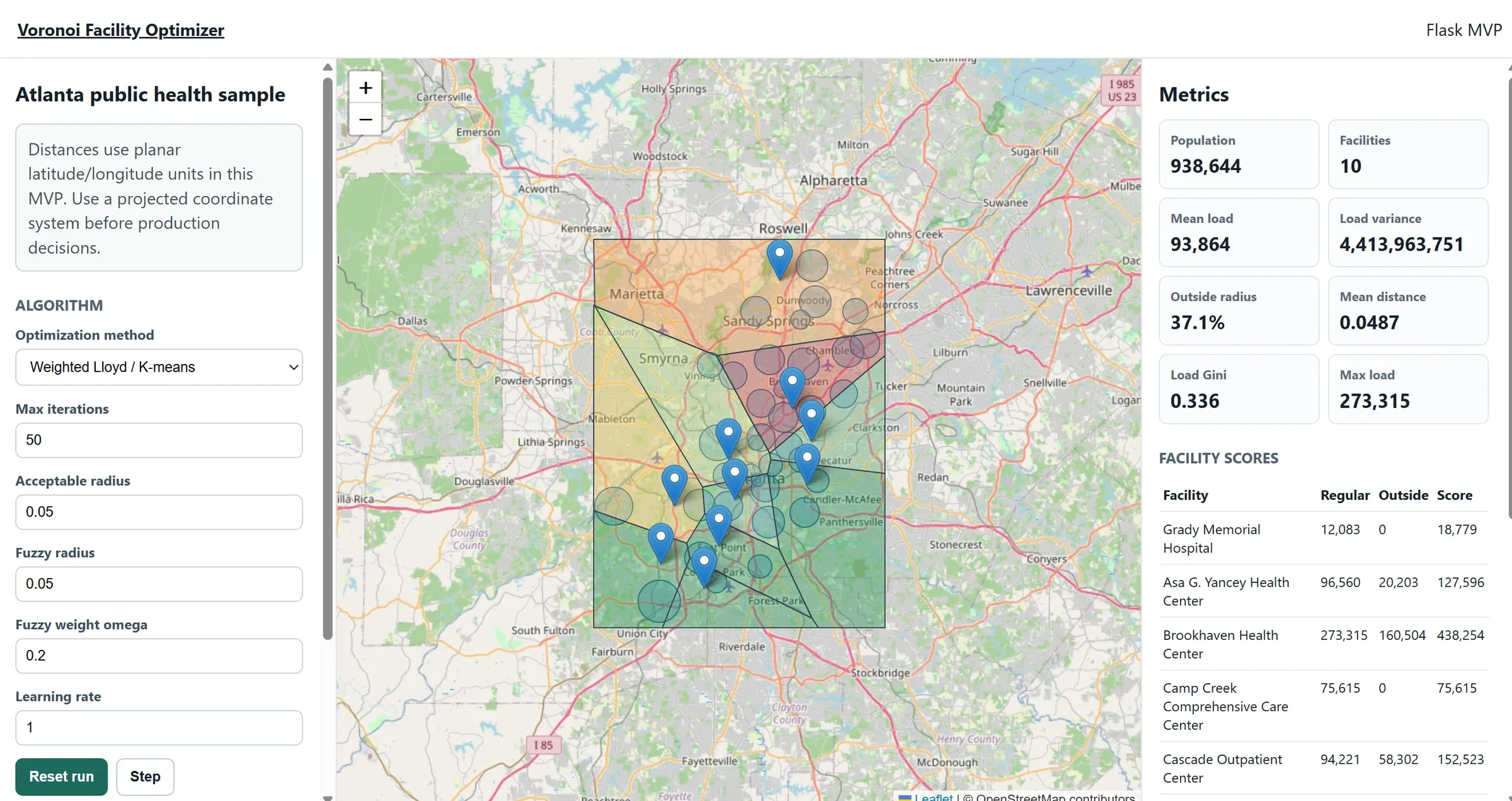
Modeled healthcare facility access with Voronoi diagrams, weighted k-means clustering, and Atlanta-area data. Added population density, patient choice, and health-risk factors to a scoring framework, then tested iterative optimization algorithms for improved facility placement.
Conducted at Emory University School of Public Health
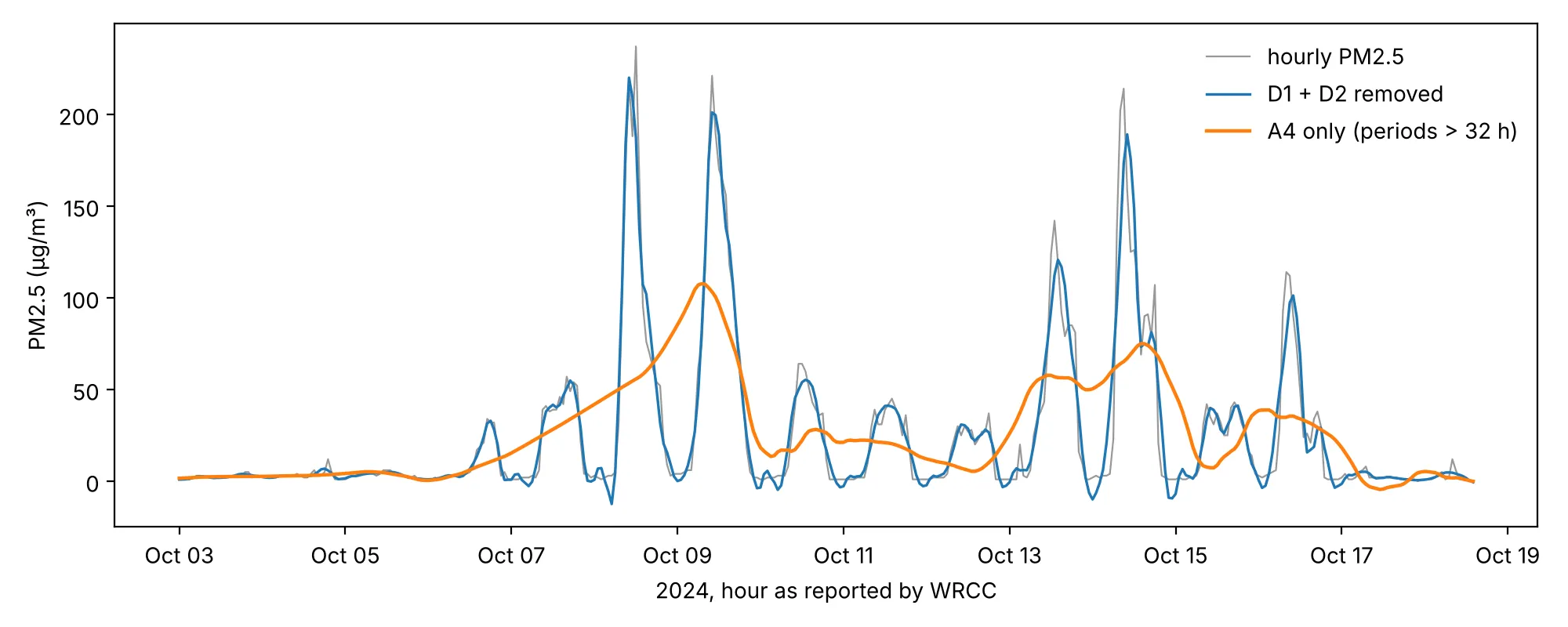
Joined Emory's wildfire modeling team for data processing and grew into a core technical contributor. Built pipelines for decades of satellite and surface-monitor data, wrote XGBoost code for smoke prediction models, and co-authored a conference poster on wavelet-decomposed observations and machine learning presented at the ISES-ISEE 2025 Joint Conference.
Wildfire smoke research depends on public satellite, monitor, and weather data that is difficult to extract and compare across sources.
Approach
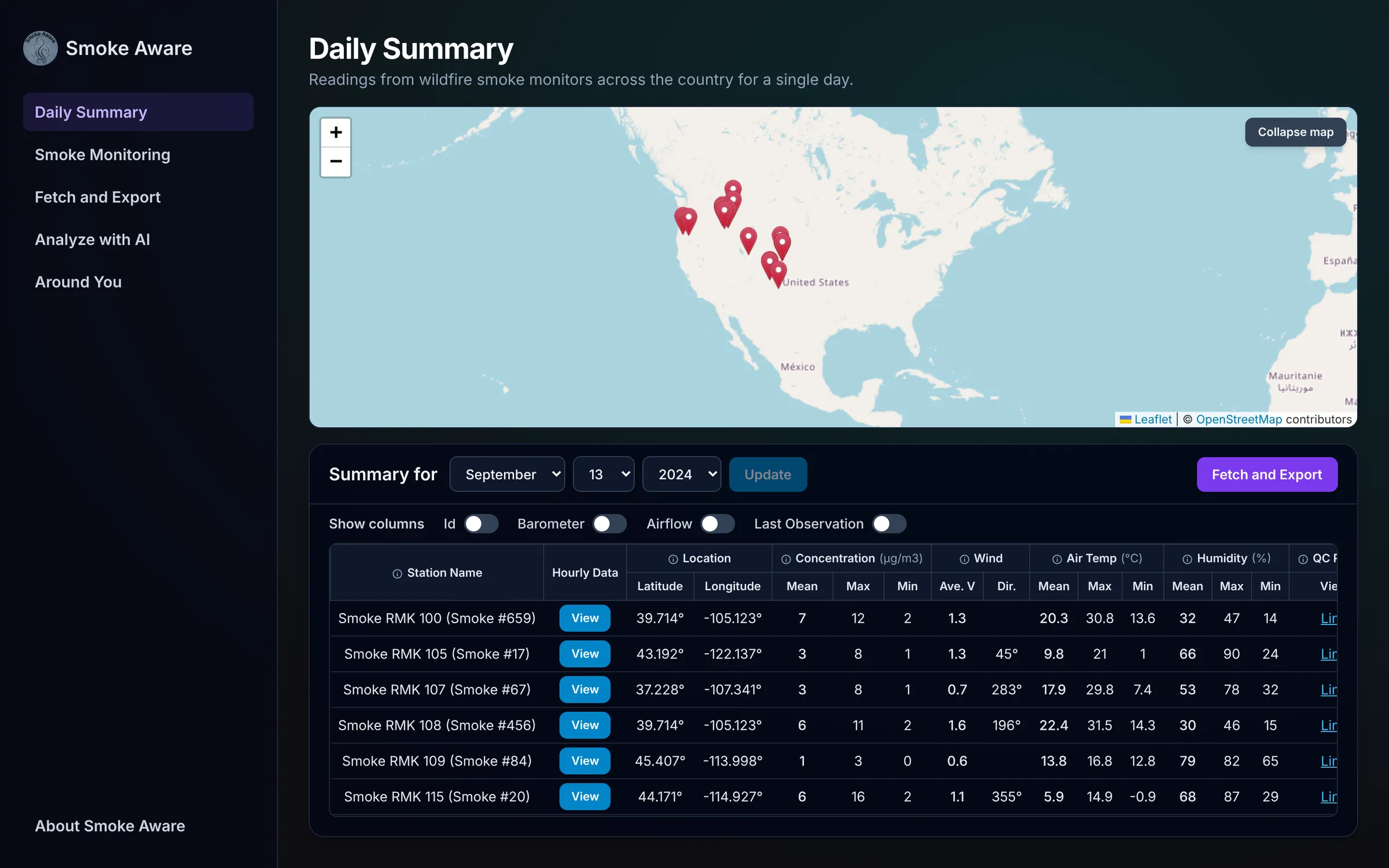
Built a Next.js/React app with Firestore, Google Maps API, OpenAI API, and Python collection scripts to expose data workflows from Emory smoke modeling research.
Impact
Won 2nd place in the Congressional App Challenge and turned research tooling into a public-facing product.
Healthcare access depends on where facilities are located, but simple distance maps miss population density, patient choice, and risk factors.
Approach
Built Python simulations using Voronoi diagrams, weighted k-means clustering, and iterative adjustment algorithms on Atlanta-area data.
Impact
Drafted and submitted a manuscript, presented a poster at the 2025 Georgia Tech Research Symposium, and placed 2nd in Mathematics at the Fulton County Science Fair.
Data cleaningVoronoi generationClusteringEvaluation
Modeled health facility service regions using real-world Atlanta-area data.
Expanded the scoring system with population density, patient decision-making, and health-risk factors.
Used weighted k-means and iterative adjustment to test optimized facility placement.
Documented the work in a LaTeX manuscript with source code available in the repository.
Atlanta dataRisk scoringVoronoi cellsWeighted k-meansAccess model